French Drain Services for Managing Excess Water and Runoff
French Drain Services for Managing Excess Water and Runoff
Blog Article
French Drain Options for Efficient Water Management
French drain solutions act as a vital component in effective water control for property owners. These systems are designed to redirect both surface and groundwater, preventing water accumulation near foundations. Knowing how they work and the various types offered is important. Property owners often face unique drainage problems that require tailored approaches. As they consider these options, they may find themselves questioning the most suitable solutions for their specific needs.
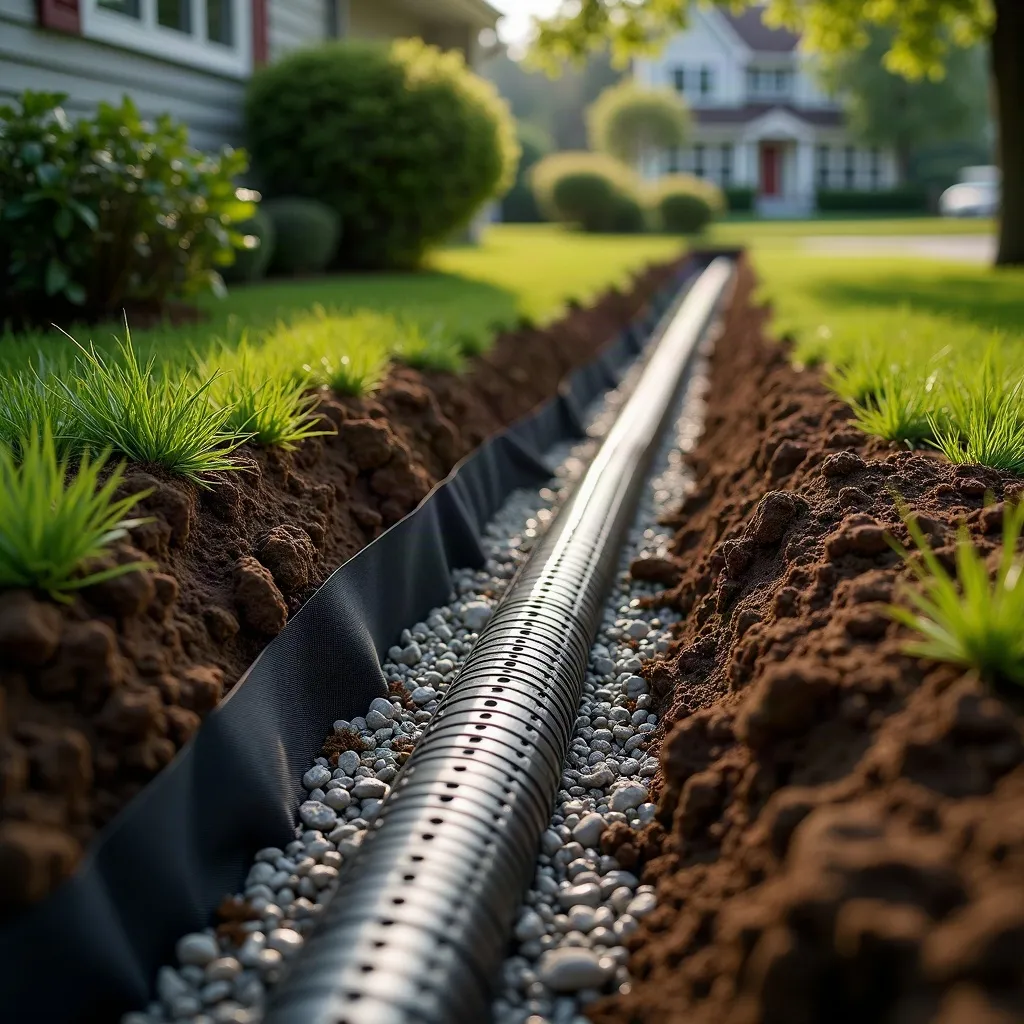
Learning about French Drains and How They Work
French drains represent a standard approach to addressing water-related issues. They feature a trench loaded with gravel or rock, featuring a perforated pipe positioned at the lowest point. This arrangement permits the efficient flow of water to prevent damage to areas susceptible to flooding or moisture problems. When water sources collects, it goes into the perforated pipe, which conveys the water away from the foundation of buildings or landscaping.
The system relies on gravity to function effectively, ensuring that water flows to a designated drainage area, such as a storm sewer or dry well. By avoiding water accumulation, French drains help protect structures from water damage, reduce erosion, and enhance soil stability. Proper installation is crucial for maximizing their efficiency, as factors like slope and depth must be thoroughly considered. Overall, French drains function as a reliable method for addressing drainage problems in various environments.
Different Types of French Drains for Your Real Estate
When dealing with drainage issues, property owners can choose from various types of French drains tailored to their particular needs. One popular option is the traditional French drain, which consists of a trench filled with gravel and a perforated pipe that gathers and diverts water away from the foundation. Another type is the surface French drain, designed to capture excess water accumulating on the surface, often installed along driveways or sidewalks.
For residences with excessive groundwater, a subsurface French drain could be more successful, placed at greater depth to stop water flow before it rises. Furthermore, curtain drains are utilized to control water flow around specific areas, avoiding saturation in gardens or below-ground rooms. Ultimately, integrated drainage solutions merge features of several drainage options to handle unique challenges. All systems provides different functions, allowing property owners to find the most fitting solution for their drainage issues.
Advantages of French Drains for Your Residence
Setting up a French drain can greatly boost property value and prevent water damage. These water drainage solutions effectively channel excess water away from foundations, mitigating the risk of flooding and erosion. By tackling water runoff, French drains help sustain landscaping and prevent soil saturation, which can damage plant life and hardscapes.
Moreover, the installation of a French drain can minimize mold and mildew growth in crawl spaces and basement areas, promoting a healthier interior atmosphere. This is notably beneficial in regions prone to heavy rainfall or high groundwater levels.
Furthermore, homes featuring reliable drainage systems often appeal to purchasers more quickly, as prospective buyers recognize the long-term advantages of drainage technology. Overall, the benefits of French drains extend beyond quick moisture removal, enhancing the overall longevity and appeal of a property.
Installing a French Drain: A Methodical Approach
Establishing a French drain involves several critical steps to ensure efficient water management. First, the site should be assessed to determine the best location for the drain, typically at the lowest point of the area prone to water accumulation. Next, a trench is dug, ideally at a slope of 1% to 2%, which helps facilitate water flow. The trench depth and width should accommodate perforated pipe and gravel.
Once the ditch is prepared, a layer of gravel is placed at the foundation, then by the slotted drain pipe, making sure the holes face downward. After positioning the pipe, additional gravel is put in to hide it, allowing for peak drainage. Finally, the trench is loaded with dirt, and yard work is restored. Correct setup guarantees that excess water is efficiently redirected away from the building, minimizing potential injury.
Fixing Typical Challenges With French Drains
Diagnosing typical issues with French drains is vital for preserving their effectiveness. Two prevalent problems include blocked channels, which can impede water flow, and incorrect grading, which may cause water to accumulate instead of flowing away. Tackling these issues quickly guarantees peak performance and durability of the drainage system.
Backed up Drainage Issues
Obstructions can compromise the effectiveness of French drains, leading to water pooling and potential damage. Typical culprits consist of sediment buildup, debris intrusion, and root infiltration. Over time, these blockages can hinder proper drainage, requiring timely intervention. Homeowners should regularly inspect their French drains for signs of clogging, such as slow drainage or unusual dampness in surrounding areas. Using a garden hose to cleanse the system can help dislodge minor blockages. For more severe clogs, a professional inspection may be required to assess the situation accurately. Additionally, installing a filter or grate can prevent larger debris from entering the drainage system, thereby reducing future clogging issues. Prompt attention to clogged drains is crucial for maintaining effective water management.
Incorrect Grade Problems
A proper slope is vital for the efficient operation of French drains, as even a minor misalignment can result in significant drainage problems. If the slope is too flat, water may pool in the drain instead of flowing toward the outlet. Conversely, an extreme slope can result in fast water movement, stopping the drain from collecting runoff properly. Homeowners may notice indicators of improper drainage, such as pooled water or erosion near the drain's entrance point. To resolve these complications, it is important to evaluate and modify the slope to guarantee a consistent gradient of at least 1% to 2%. Periodic upkeep and observation can prevent these issues, allowing the French drain to perform at its relevant resource best and prolonging its lifespan.
Maintaining Your French Drain for Extended Efficiency
Maintaining a French drain requires frequent checks and upkeep to ensure peak performance. Additionally, proper drainage grading is crucial for channeling water flow effectively away from the foundation. These practices help avoid blockages and promote sustained performance.
Consistent Inspections and Sanitation
Regular inspections and maintenance are crucial for maintaining the lasting effectiveness of a French drain system. Over time, debris, sediment, and organic matter can accumulate within the drain, obstructing water flow. Regular assessments allow homeowners to detect blockages or structural damage early, preventing more serious issues down the line. Cleaning should be performed at least once a year, particularly after heavy rainfall or storms, to remove any accumulation that may have occurred. Using a combination of manual clearing and tools such as a drain snake can effectively clear blockages. Additionally, maintaining the surrounding landscape by trimming vegetation and ensuring proper drainage away from the system helps its lifespan. Consistent care ultimately protects the property from water damage and improves drainage performance.
Appropriate Moisture Control Terrain Sloping
Proper drainage grading is essential for the effectiveness of a French drain system. It ensures that water travels toward the drain rather than pooling in undesirable areas. For superior performance, the ground should grade away from the foundation at a minimum angle of 1% (or 1 inch per 10 feet). This slope facilitates smooth water movement, minimizing potential erosion damage and erosion.
Continuous analysis of the slope condition are necessary to address any variations due to landscaping, ground settling, or natural wear. If grading becomes inadequate, it may involve changes, such as re-contouring the property or placing topsoil to maintain the ideal grade. By emphasizing quality drainage slopes, homeowners can improve the longevity and efficiency of their French drain systems, guaranteeing consistent drainage solutions.
Popular Questions Posed Regularly
What Does It Expense to Establish a French Drain?
The expense for setting up a French drain generally falls from $1,000 to $5,000, influenced by various factors like the size of the undertaking, level of difficulty, and area-specific workforce rates, considerably impacting overall installation costs.
Is it possible to put in a French Drain on Your Own?
Yes, an homeowner can install a French drain themselves if they have the needed skills and tools. However, detailed preparation and adherence to area guidelines are vital to guarantee effectiveness and prevent future drainage issues.
What Documentation Is Needed for Fitting?
Local requirements typically require a license for setting up drainage systems. Homeowners should review municipal codes or building departments to identify particular standards, guaranteeing adherence with zoning regulations, environmental considerations, and any required inspections during construction.
How Much Time Will a French Drain Remain in Service?
A correctly placed French drain typically lasts between 30 to 40 years, depending on soil conditions and maintenance. Regular inspections and timely repairs can significantly prolong its lifespan and ensure peak performance over time.
Can French Drainage Systems Assist With Basement Flooding?
Yes, French drains can effectively mitigate basement flooding by diverting surface water away from foundations. Properly installed, they decrease moisture levels, aiding in stopping water accumulation and likely harm within the basement environment.
Report this page